
Resource vocabulary is the language a learner uses to find, evaluate, and apply study materials without losing track of the source. For RBT preparation, a resource is more useful when its title, publisher, date, domain, definition, example, and role boundary are visible. This page treats resource vocabulary as a study-system topic rather than a single official glossary. Current BACB materials should anchor certification and examination decisions, while original examples help a learner practice application. A list copied from an undated website can contain accurate words but still be unsafe to rely on if the edition or context is unknown. Build a small source log, label local course language, and check whether a statement describes what an RBT observes, implements, records, or reports. The goal is a study library that can be updated and explained, not a pile of impressive terms. Add a review date to every resource and write one sentence explaining how it should be used. When two resources disagree, preserve both citations, identify the newer official source, and ask a supervisor or instructor before turning the disagreement into a study rule. That habit makes the library easier to audit and easier to trust.
Table of Contents
- Resource vocabulary: define the source before the word
- Sort resources by purpose
- Build a plain-language definition
- Connect vocabulary to data
- Connect vocabulary to teaching
- Keep ethics and privacy in the resource library
- Use active recall and source checks
- Avoid resource-vocabulary mistakes
- Resource vocabulary checklist
- Frequently Asked Questions
- References
Continue your RBT study with RBT exam study materials and original practice resources.
Quick answer: Treat resource vocabulary as a current-source RBT study topic. Define the concept, connect it to observable action, use original examples, and keep the supervision boundary visible.
Study boundary: This independent guide is educational content. It is not a BACB policy, certification decision, legal opinion, answer key, or guarantee of examination success. Examples are original and are not official, recalled, leaked, or BACB-endorsed questions.
Current exam context: The current BACB RBT Test Content Outline describes 43 tasks across six domains; the examination includes 75 scored questions and 10 unscored pilot questions in a 90-minute testing period. Verify the current handbook and outline before relying on a time-sensitive detail.
Resource vocabulary: define the source before the word
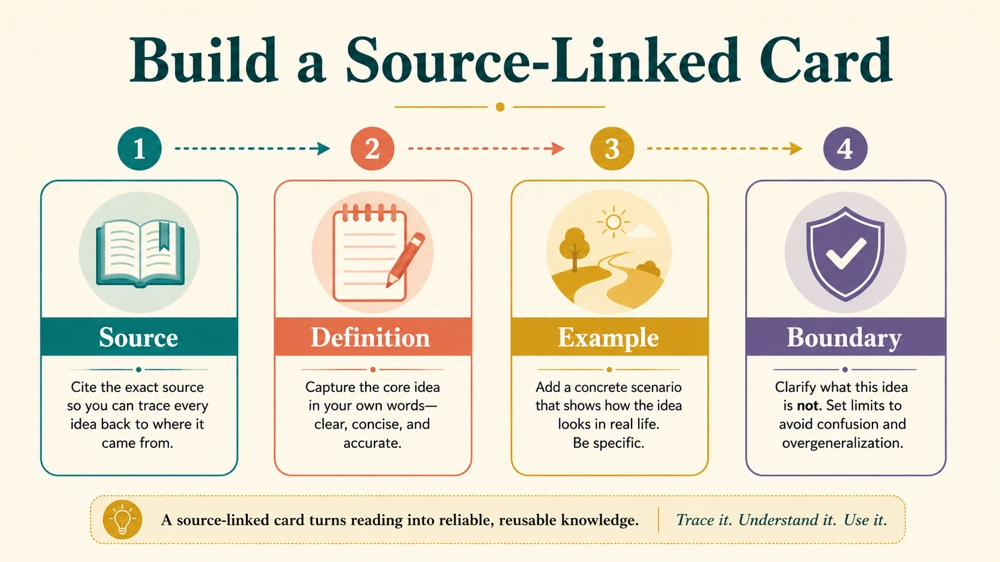
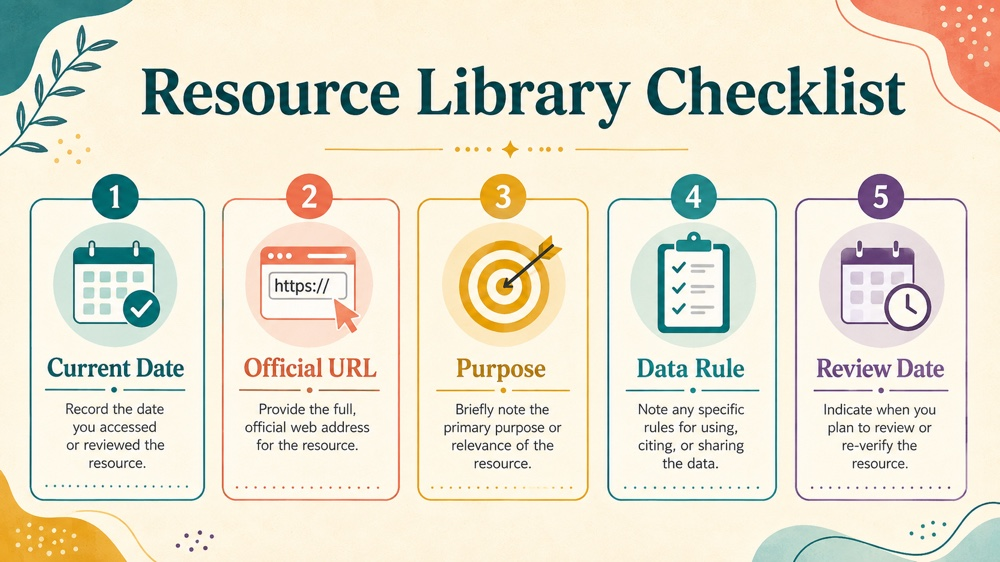
Record the document title, issuing organization, version date, URL, and the exact sentence where a term appears. A definition without provenance may be useful as a prompt, but it should not silently replace the current Handbook, Test Content Outline, or Ethics Code. Source control is part of study accuracy.
Sort resources by purpose
Separate certification guidance, examination blueprint, ethics materials, measurement references, employer procedures, and study aids. A mock exam can support practice but cannot decide eligibility. A local form can explain workflow but is not automatically a BACB policy. Purpose labels prevent category errors.
Build a plain-language definition
For each term, write what it means, what condition makes it relevant, what observable action follows, and which decision remains with supervision. Avoid circular definitions and vague synonyms. If the written program controls the details, say so directly on the card or note.
Connect vocabulary to data
Measurement words such as frequency, rate, duration, latency, interval recording, permanent product, percentage, and graphing need a data rule. State what is counted, when scoring starts and stops, and what one mark means. A resource that omits the measurement rule is incomplete for practice.
Connect vocabulary to teaching
Review reinforcement, prompting, fading, shaping, chaining, discrimination, generalization, maintenance, and task analysis through original scenarios. The same word can look different when the antecedent, response, consequence, or program criterion changes. Study the condition, not only the label.
Keep ethics and privacy in the resource library
Use fictional facts and minimum necessary detail. Do not move client information into personal flashcards, screenshots, or public examples. Include confidentiality, competence, supervision, accurate records, and respectful communication in the vocabulary system because they affect every domain.
Use active recall and source checks
Hide the definition, infer the term from a new scenario, explain the data implication, check the official source, and write a changed example. Tag misses by vocabulary, measurement, application, documentation, ethics, or scope. Revisit difficult cards after a delay rather than rewarding recognition alone.
Avoid resource-vocabulary mistakes
- Treating an undated glossary as current authority.
- Mixing employer language with BACB policy language.
- Memorizing terms without observable examples.
- Leaving out the data rule or role boundary.
- Copying private or identifying details into study materials.
- Using recalled or protected examination questions.
- Failing to retire a resource when its source changes.
Resource vocabulary checklist
- Does each resource have a publisher and date?
- Is its purpose clearly labeled?
- Can I define the term in plain language?
- Is an observable example included?
- Are data and documentation implications clear?
- Are privacy and supervision boundaries visible?
- Do I know when to recheck the source?
Use resource vocabulary as a maintained study-library system. RBT Training is independent educational content and is not affiliated with or endorsed by BACB.
Practice the concept
Review resource vocabulary with original RBT scenarios, current-source reminders, and clear role boundaries.
Review the RBT study resource →
Frequently Asked Questions
What is resource vocabulary?
It is a source-linked way to organize terms, definitions, examples, data rules, and role boundaries so study materials remain understandable and updateable.
Should a third-party glossary replace BACB sources?
No. Use current official BACB materials for certification and examination decisions, and label third-party content as a study aid.
How can I make vocabulary useful?
Connect every term to a condition, observable action, data or teaching implication, and supervision boundary.
Are these official questions?
No. They are original educational scenarios and are not official, recalled, leaked, or BACB-endorsed.
References
- Behavior Analyst Certification Board: Registered Behavior Technician Handbook, updated June 2026.
- Behavior Analyst Certification Board: RBT Test Content Outline (3rd ed.).
- Behavior Analyst Certification Board: RBT resources.
- Behavior Analyst Certification Board: ethics resources.
- Behavior Analyst Certification Board: RBT Ethics Code (2.0).