
An rbt practice exam 2026 should help you rehearse current concepts and decision-making language without pretending to be an official BACB test. Start with the current RBT Test Content Outline and Handbook, then use original questions to practice measurement, teaching procedures, documentation, ethics, supervision, and role boundaries. RBT Training provides independent study materials and is not affiliated with or endorsed by BACB.
Table of Contents
- rbt practice exam 2026: what current practice means
- Use the outline as a practice blueprint
- Three original question patterns
- How to review an incorrect answer
- Build a realistic 2026 study session
- Readiness is more than a score
- Frequently Asked Questions
- References
Quick answer: A strong practice session has three parts: answer an original scenario under a time limit, review the reasoning rather than only the letter choice, and record the concept that caused the error. The goal is transferable understanding, not memorizing a claimed answer key.
Study boundary: This is independent exam-preparation content, not an official BACB handbook, certification decision, task answer key, application determination, or source of secure exam material. The examples in this article are newly written for study. They are not official, recalled, leaked, or BACB-endorsed exam questions. Requirements and policies can change, so use the current BACB handbook and your supervisor or requirements coordinator for decisions about an individual application or client program.
rbt practice exam 2026: what current practice means
The year in a search phrase matters because exam content and administrative instructions can change. “2026” should prompt a source check, not a promise that every webpage with that year is current. Confirm the outline edition, the Handbook version, the testing instructions, and the date on any study notes you use.
Practice questions should mirror the kind of reasoning a candidate needs: identify what is directly observable, choose the measure that matches the question, follow the written procedure, and recognize when a scenario calls for supervisor direction. They should not reproduce secure items or imply that a private set of questions predicts the live examination.
Use the outline as a practice blueprint
Build a balanced practice set across the six content domains in the current outline. A simple study matrix can include the task label, your confidence, the last date reviewed, and one question that still feels ambiguous. Rotate among definition, application, measurement, documentation, and ethics questions so the session tests reasoning rather than one memorized pattern.
| Practice lens | Question to ask | Review note |
|---|---|---|
| Definition | What exactly counts as one response? | Write an example and nonexample. |
| Measurement | Which unit matches the question? | Check time, opportunities, and denominator. |
| Procedure | What does the written plan authorize? | Do not improvise a plan change. |
| Documentation | What was directly observed? | Use objective, privacy-safe language. |
| Supervision | Who must provide direction? | Flag diagnosis, function, and plan-change language. |
Three original question patterns
Pattern one—measurement: A learner engages in a defined response three times during a 15-minute observation and six times during a 30-minute observation. Ask which comparison is fair. The reasoning should notice that raw frequency is affected by observation length and that rate may be the better comparison when the authorized plan calls for it.
Pattern two—prompting: A learner completes a step only after a verbal prompt. Ask whether the response should be scored as independent. The answer depends on the program’s prompt and independence definitions; do not relabel a prompted response just because the final action was correct.
Pattern three—role boundaries: A graph changes after a staffing difference. Ask what the RBT should do next. A role-safe response is to check the record, describe the condition, document the observation, and communicate with the supervisor. It is not to announce a function or rewrite the intervention independently.
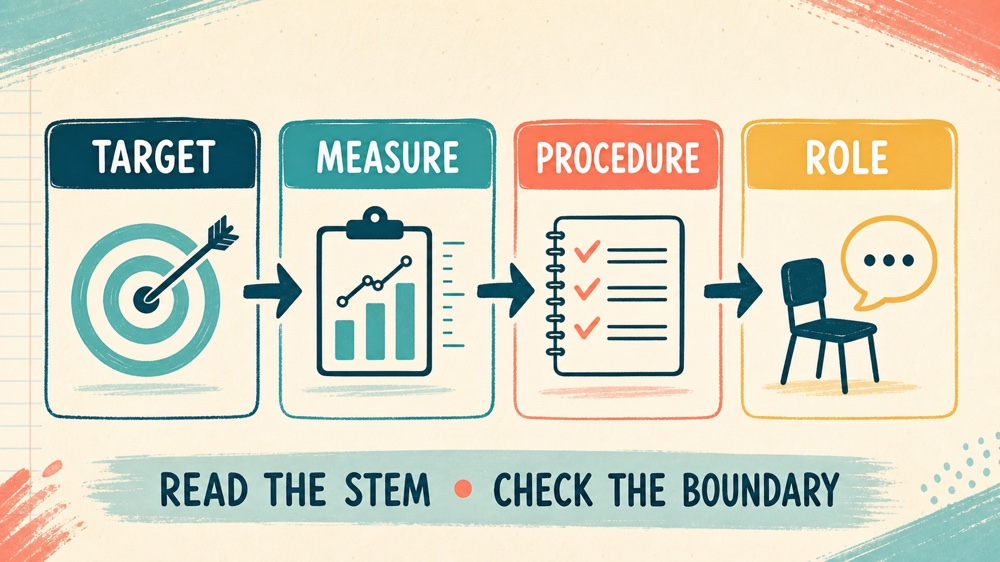
These patterns are intentionally original study examples. Their value is the reasoning path: target, unit, condition, written procedure, and communication route. They are not official, recalled, leaked, or BACB-endorsed examination questions.
How to review an incorrect answer
- Restate the stem: Identify the person, behavior, opportunity, and setting without adding assumptions.
- Circle the unit: Check whether the question uses count, rate, duration, latency, percentage, interval, or permanent product.
- Mark the authority: Decide whether the answer comes from a written procedure, an official current source, or supervisor direction.
- Remove overreach: Eliminate choices that diagnose, infer a function, change a plan, or promise an outcome beyond the role.
- Write the correction: Record one sentence explaining why the best answer fits the evidence.
Build a realistic 2026 study session
Begin with a short source check, then complete a mixed set of original questions. Take a break before reviewing answers so you can explain each choice without looking at the explanation first. End by choosing two concepts for retrieval practice tomorrow. A study log should capture the concept and reasoning, not copied secure content or personal client information.
Current exam frame: The current RBT Test Content Outline (3rd ed.) applies beginning January 1, 2026. It describes 43 tasks across six content domains. The current examination format is 75 scored questions plus 10 unscored pilot questions, four answer choices per item, and a 90-minute testing period. These facts explain the study frame; they do not turn an independent guide into an official BACB resource.
This format gives you a current frame for practice, but an rbt practice exam 2026 cannot determine or promise an individual examination outcome. Use the current Handbook for changing administrative rules and follow the testing provider’s instructions for your authorized appointment.
Readiness is more than a score
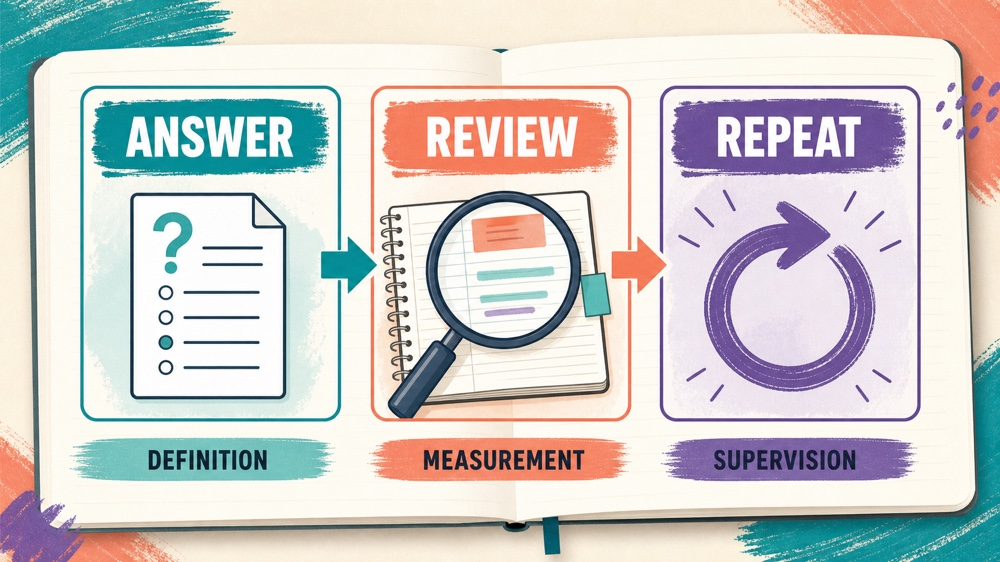
A high practice score can be useful, but readiness also means explaining why an answer is correct, recognizing an unsafe or unauthorized action, and transferring the concept to a new scenario. If your score rises only when the wording is familiar, vary the examples. If you miss a measurement item, return to the operational definition and denominator before adding more questions.
Use a structured practice set
Rehearse independent RBT-style questions, review the reasoning behind each answer, and use the current BACB sources for decisions about the real examination.
Review the RBT resource →
Frequently Asked Questions
Is this rbt practice exam 2026 an official BACB exam?
No. It is independent preparation content. Official examination administration and current requirements come from BACB and the testing instructions in effect for the candidate.
What makes practice questions useful?
They require you to identify the target, measure, written procedure, and role boundary, then explain the reasoning instead of memorizing a letter choice.
Should practice questions copy real exam items?
No. Use original exam-style scenarios. Do not seek or share official, recalled, leaked, or secure examination content.
How should I use a practice score?
Use it as one study signal. Review the reasoning behind missed items and check whether the error involved definition, measurement, procedure, documentation, or supervision.
Can a practice score determine my result?
No. Practice supports preparation but cannot predict or determine an individual examination outcome.
References
- Behavior Analyst Certification Board: Registered Behavior Technician Handbook, updated June 2026.
- Behavior Analyst Certification Board: RBT Test Content Outline (3rd ed.).
- Behavior Analyst Certification Board: RBT resources.
- Behavior Analyst Certification Board: RBT Ethics Code.
- RBT Training: three independent RBT mock exams.