

rbt competency assessment scheduling: this guide explains the planning and recordkeeping question behind the topic, while the current BACB Handbook, forms, and portal instructions control the final requirement.
rbt competency assessment scheduling: Scheduling is more than choosing a date
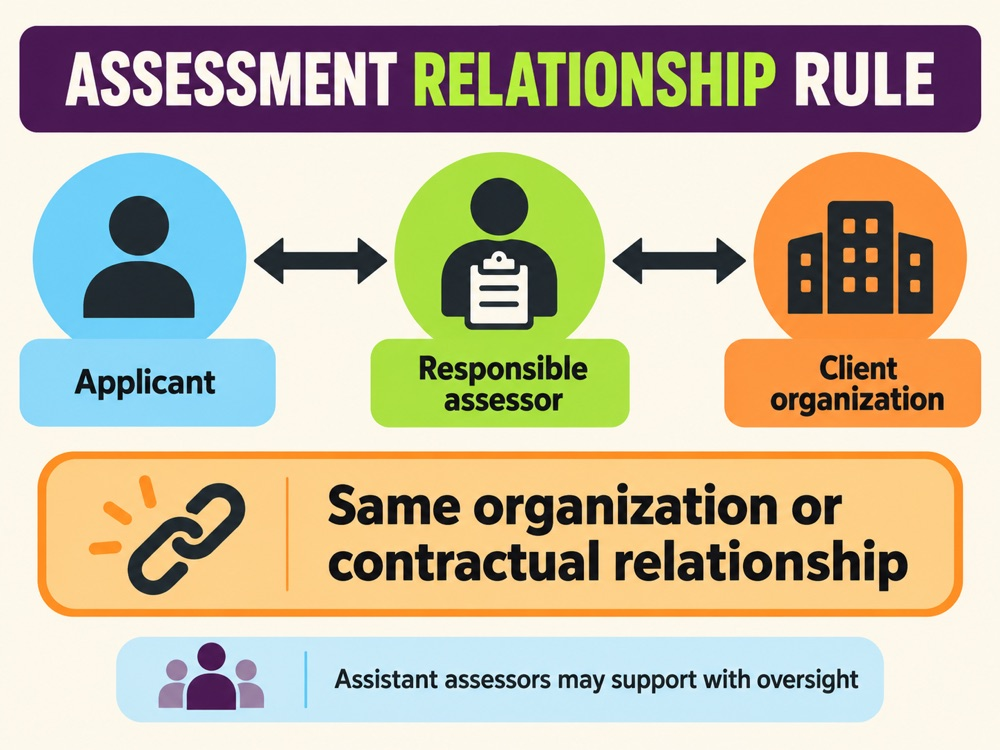
RBT competency assessment scheduling is the coordination step between a ready applicant, a qualified responsible assessor, the organization, and the client or role-play setting required by the current packet. A calendar invitation alone does not make an assessment valid. The people, setting, task plan, records, and required signatures must fit the current BACB instructions.
This guide focuses on preparation and logistics, not on deciding who qualifies as the responsible assessor or explaining every assessment task. Those questions should be checked against the current Initial Competency Assessment Packet and the organization’s records.
Confirm the responsible assessor first
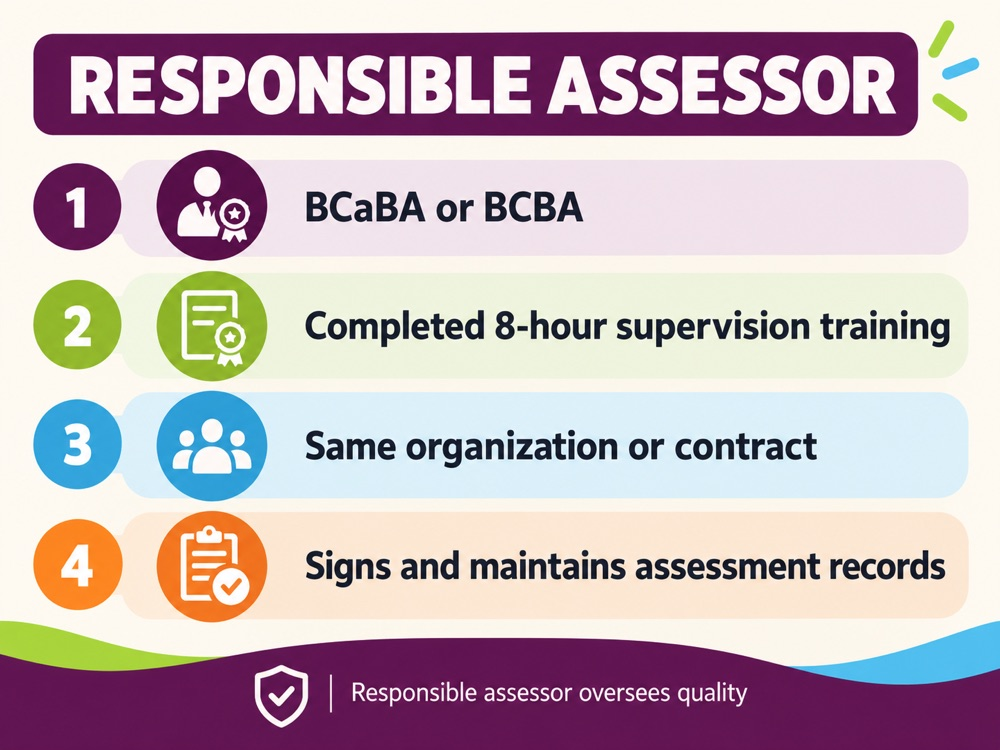
Before offering dates, confirm the responsible assessor’s current credential, required supervision training, and relationship with the organization and clients involved. If an assistant assessor will conduct part of the assessment, confirm how the responsible assessor will oversee the work and sign the final packet.
Ask the assessor what records they need before scheduling. A responsible assessor may need the applicant’s training evidence, the current assessment packet, client information permitted by policy, and a plan for documenting each task. Keep the scheduling conversation separate from promises about certification or approval.
Choose a setting that supports the tasks
The setting should allow the assessor to observe the required skills and maintain privacy. Confirm whether the session will use an actual client, role play, or another method allowed by the current packet. Identify materials, data sheets, teaching items, and safety procedures before the appointment rather than improvising them on the day.
If the session is split across dates or locations, write down which tasks belong to each appointment and who is responsible for the record. A schedule that does not show task ownership can leave gaps even when every appointment occurred.
Build a timing plan
List the training completion date, the target assessment date, the application timeline, and any current deadline that applies. The assessment has its own relationship to training and application steps. Do not use a generic ‘within 90 days’ or ‘within 180 days’ label unless the current source actually applies that window to the specific step.
Leave time for a rescheduled session, a missing signature, or a task that must be repeated. A realistic buffer is especially important when the assessor, client availability, or organization approval is limited.
Send a concise pre-session checklist
A useful pre-session message confirms the date, start time, location or platform, participants, task plan, materials, privacy expectations, and the person who will keep the final record. Ask the applicant to bring the current packet and any provider documents the assessor requested.
Avoid sending unnecessary personal information in ordinary email. Use the organization’s approved channel for client details, and tell every participant what information may be recorded. The goal is a clear session plan, not a large unsecured attachment.
What to record after the assessment
After the session, record the date, assessor roles, tasks observed, signatures, remediation or repeat items, and the final disposition required by the current packet. If an assistant assessor participated, make the responsible assessor’s oversight visible in the record. Keep the packet with the organization’s authorized records.
Review the packet before using it in an application. A scheduled appointment is not proof that the assessment was completed. The final packet must be complete under the current instructions, and a signature should reflect what the assessor actually observed.
Frequently asked questions
Can an assessment be scheduled before training is complete? Check the current packet and Handbook; scheduling a date does not waive the required sequence.
Can any supervisor select the date? The organization may coordinate logistics, but assessor eligibility and oversight still follow the current BACB requirements.
Does completing the session guarantee certification? No. It is one part of the application pathway.
How to keep the decision clear
Before you close the file, write one sentence stating what the record proves and one sentence stating what it does not prove. For example, a training record can show completion, but it cannot by itself show that an application was approved. A signed form can show that an attestor made a confirmation, but it cannot replace a missing eligibility document. A calendar can show the dates you planned, but it cannot change an official deadline. This small distinction keeps a useful checklist from becoming an unsupported promise.
Save the current official source with the review date, then set a reminder to recheck it if your application or recertification cycle continues. Forms, handbook language, fees, portal instructions, and processing information can change. When a source changes, update the plan and preserve the earlier record rather than silently rewriting history. That approach makes the file easier for the applicant, provider, attestor, or assessor to understand later.
When the review is complete, record the next action, the person responsible for it, and the date you intend to revisit it. If the next action depends on an official response, label it as waiting rather than complete. If the next action is a document correction, keep the correction request with the file. This turns the article’s advice into a small workflow that can be checked by someone else without reinterpreting the whole history.
Keep the review brief enough to repeat. A dated checklist, a source link, and a clearly named next action are more useful than a long note with no owner. If another person takes over the file, they should be able to understand the status without changing any original record.
If the record is shared with a provider, attestor, assessor, or organization administrator, share only the portion needed for that person’s task. Keep a private note of what was sent, when it was sent, and whether a correction was requested. This is a practical privacy measure as well as a quality check: it reduces the chance that an old draft, a duplicate file, or an unrelated personal document is used by mistake.
Use the same review method whenever a date, form version, or portal instruction changes. First identify the official source, then compare the source with the saved record, then document the decision and next action. If the source is unclear, mark the item as needing confirmation. A transparent “waiting for confirmation” note is safer than filling in an uncertain answer and treating it as a completed requirement.
When possible, have a second person perform a visual check without changing the substance. A fresh review often catches a missing page, a mismatched name, an unreadable scan, or a date entered in the wrong field. Keep the reviewer’s note separate from the official form so the original record remains intact.
Source and scope: This is an educational summary of public BACB guidance, not individualized certification, legal, immigration, employment, or financial advice. Check the current BACB Handbook, forms, portal instructions, and organization records before acting.